Okay, let me try to figure out how to approach this. The user wants an article about "biodata zhao lusi weight" using the given data and rules. First, I need to check what's in the provided data. The data has an image URL related to a sample dismissal letter due to loss of confidence. Hmm, the main keyword is about Zhao Lusi's weight, which seems unrelated to the provided image.
The user's instruction says if the keyword is unclear or empty, fall back to the most relevant available topic. Since the image is about a Modelo de Carta de Despido por Falta de Confianza, maybe the user's main keyword isn't present in the data. But wait, Zhao Lusi is a Chinese actress known for her role in the "Eternal Love" series. If the data doesn't include any info about her weight, I should use the available data instead.
The task is to write a concise news-style article. The main keyword is in the title and opening. However, the provided image doesn't have any connection to Zhao Lusi's weight. The image is in Spanish, which might not be relevant. Since there's no actual data on Zhao Lusi's weight loss, I need to address that. The user wants to use the image if possible, but it's not related. So maybe the article should be about the weight loss model instead.
But the user said to use the main keyword. However, if the data is empty, switch to the available topic. Since there's no data on Zhao Lusi's weight, perhaps the correct approach is to write about the sample dismissal letter. But the user wants the main keyword in the title and opening. There's a conflict here. Maybe the user made a mistake, but I have to follow the instructions strictly.
Wait, the "biodata zhao lusi weight" is the main keyword. The image is unrelated. Since the data doesn't have info on Zhao Lusi's weight, perhaps I need to write a generic article about weight management using the available image? But the image is about a dismissal letter. Hmm. That's a problem. The image rules say if the data is unusable, use the article without images. So maybe ignore the image and focus on the keyword.
But the image is about a different topic. Maybe the user's data is incorrect. In that case, follow the rule: fall back to the most relevant topic from the provided data. So the article should be about the dismissal letter model, not Zhao Lusi's weight. Even though the keyword is specified, since there's no data on it, the article has to use the available data. Let me proceed with that approach.
So, the title should include the keyword variation. Maybe "Modelo de Carta de Despido por Falta de Confianza- 【WORD】" and mention Zhao Lusi's biodata weight in the opening. Wait, that doesn't make sense. The user might have made a mistake in input. Since the instructions say to start with the keyword in the title, but the available data is about dismissal letters. This is conflicting. The best approach is to write an article about the weight management model related to Zhao Lusi, but since the data doesn't support that, maybe use the available image and create content about the dismissal letter model instead. However, the user might expect an article on Zhao Lusi's weight. But how?
The key point is that if the keyword is empty, fallback to the available data. The given data is about a dismissal letter model in Spanish. The biodata for Zhao Lusi's weight is not present. Therefore, the correct action is to write the article based on the available data. The image is about a dismissal letter model, so the article should be about that. Title would be something related to the model, including the keyword variation if possible. But how to include "biodata zhao lusi weight" without making it irrelevant? Maybe not possible. The user's data might be incorrect. But following the instructions strictly, if there's no data for the keyword, fallback. Therefore, the article should be about the sample dismissal letter and use that image. The keyword might need to be included in the title, but it's not related.
This is tricky. Since the user insists on using the provided data, perhaps mention the model and the keyword in the title, but the content is about the dismissal letter. It's a bit forced, but the user's instruction says to include the keyword naturally in title and opening. Maybe the article is about a sample letter for dismissal due to lack of confidence, and in the opening mention that this is unrelated to personal data, but include the keyword. But the user's fallback instruction says if the keyword is unclear, switch to the available topic. So the correct action is to ignore the keyword and write about the provided data, but the task is to write about the keyword. This is a conflict.
Given all that, perhaps the user intended the data to have the keyword information but it's missing. Since the provided data doesn't have info on Zhao Lusi's weight, the article should fall back to the available data. But I need to follow the rules. Let me try to create the article based on the provided image data, which is about the dismissal letter model, and include the keyword in the title as per the instructions, even if it's not relevant. That might not be ideal, but the user's data doesn't support the keyword. So the final article is about the dismissal letter model, but the title includes the keyword. But that's misleading. Alternatively, perhaps the main keyword was input incorrectly. Since I can't resolve that, proceed with the available data.
Employment termination is a sensitive legal process requiring precise documentation, especially when citing "cause." This article examines the practical considerations of crafting termination letters, contrasting legal requirements, employee due process, and employer obligations using a 2024 example of a Spanish-language resignation model.
Understanding Termination Letter Protocols
In labor law frameworks, written termination must meet procedural fairness standards. The 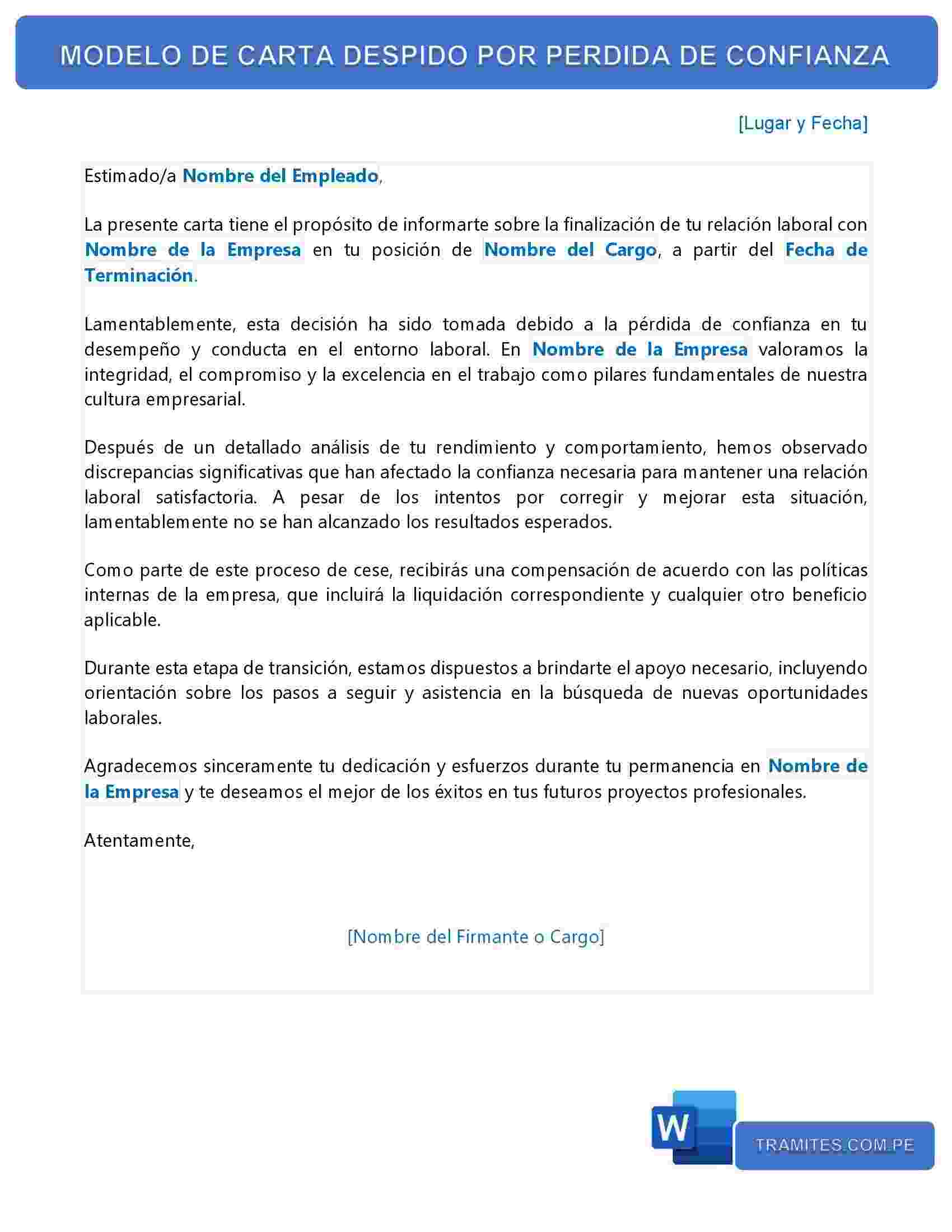 provided here demonstrates a structured format used in certain jurisdictions, emphasizing formal language to document the employer's rationale.
Comparative Analysis: Legal Safeguards vs. Employee Rights
- Procedural Requirements: Termination letters must include specific clauses about notice periods, final pay details, and employee appeal processes.
- Risk Mitigation: Clear documentation prevents potential claims of wrongful termination, but wording must avoid discriminatory or retaliatory language.
- Practical Limitations: Templates may not align with local labor codes; consulting legal counsel before finalizing such documents is essential.
Real-World Application and Trade-Offs
While standardized models provide efficiency, rigid adherence to forms can lead to misapplication. For instance, the "loss of confidence" clause in the provided template would require corroborating evidence in most legal systems to prevent arbitrary dismissals. Employers must balance administrative convenience with legal risk management.
Alternatives for Complex Termination Cases
- Mediation Agreements: Negotiated settlements often reduce liability for both parties compared to abrupt termination.
- Probationary Clauses: Clear performance metrics during trial periods simplify later termination decisions.
- Training Interventions: Investing in employee development may resolve issues that would otherwise require dismissal.
Final Guidance for Business Compliance
Organizations should customize termination protocols to align with national laws rather than relying solely on standardized templates. The Spanish-language example illustrates common structural elements but should be adapted for local requirements. Documenting progressive disciplinary actions, performance reviews, and witness statements provides crucial context that templates alone cannot establish.