How Much Is Russian Oil Per Barrel? A Practical Guide for Hobbyists
Russian oil remains one of the world’s most influential commodity benchmarks. While price levels swing with geopolitical events, market supply, and refinery demand, hobbyists and small‑scale traders can track and analyze the cost per barrel using freely available data and powerful visualization tools.
Context: From Urals to Global Benchmarks
Russia exports several crude grades, with Urals being the most widely traded. Unlike the global Brent or WTI benchmarks, Urals carries a premium that reflects its heavier, lower‑quality characteristics and the logistics of shipping from the Caspian region. In recent years, sanctions and export‑control regimes have altered the way Urals is priced, making it a more volatile indicator of the global oil market.
Key factors that move the price per barrel include:
- Geopolitical tension – sanctions, embargoes, or conflicts can tighten supply streams.
- OPEC+ production adjustments – coordinated output cuts shift overall pricing power.
- Refinery demand in Asia – demand from China, Japan, and South Korea influences the premium over other benchmarks.
- Currency fluctuations – the Russian ruble’s value against the U.S. dollar can distort the per‑barrel cost for international buyers.
Real‑World Data: Where to Find the Numbers
Unlike consumer products, oil prices are not posted on a single retail site. Instead, traders consult a mix of industry feeds and public market reports:
- Financial news feeds – Bloomberg, Reuters, and the Energy Information Administration publish daily prices for Brent, WTI, and Urals.
- Exchange platforms – ICE Futures U.S. and CME Group provide contract prices that are often used as a proxy for spot values.
- Government and non‑government sources – the Russian Ministry of Energy releases monthly production and export figures that can be cross‑referenced with market prices.
For example, if you notice the Urals benchmark at $55 per barrel, you can calculate the implied cost for a 1,000‑barrel shipment by multiplying the price by quantity and adjusting for transportation and insurance costs. This baseline helps hobbyists estimate import expenses or evaluate investment opportunities in futures contracts.
Turning Numbers into Insight with Power BI
While raw prices are helpful, the true power lies in visualizing trends and correlating them with external variables. The medium‑size image below demonstrates how a Power BI table and matrix can present daily Urals prices alongside geopolitical indices, providing a clear view of cause and effect.
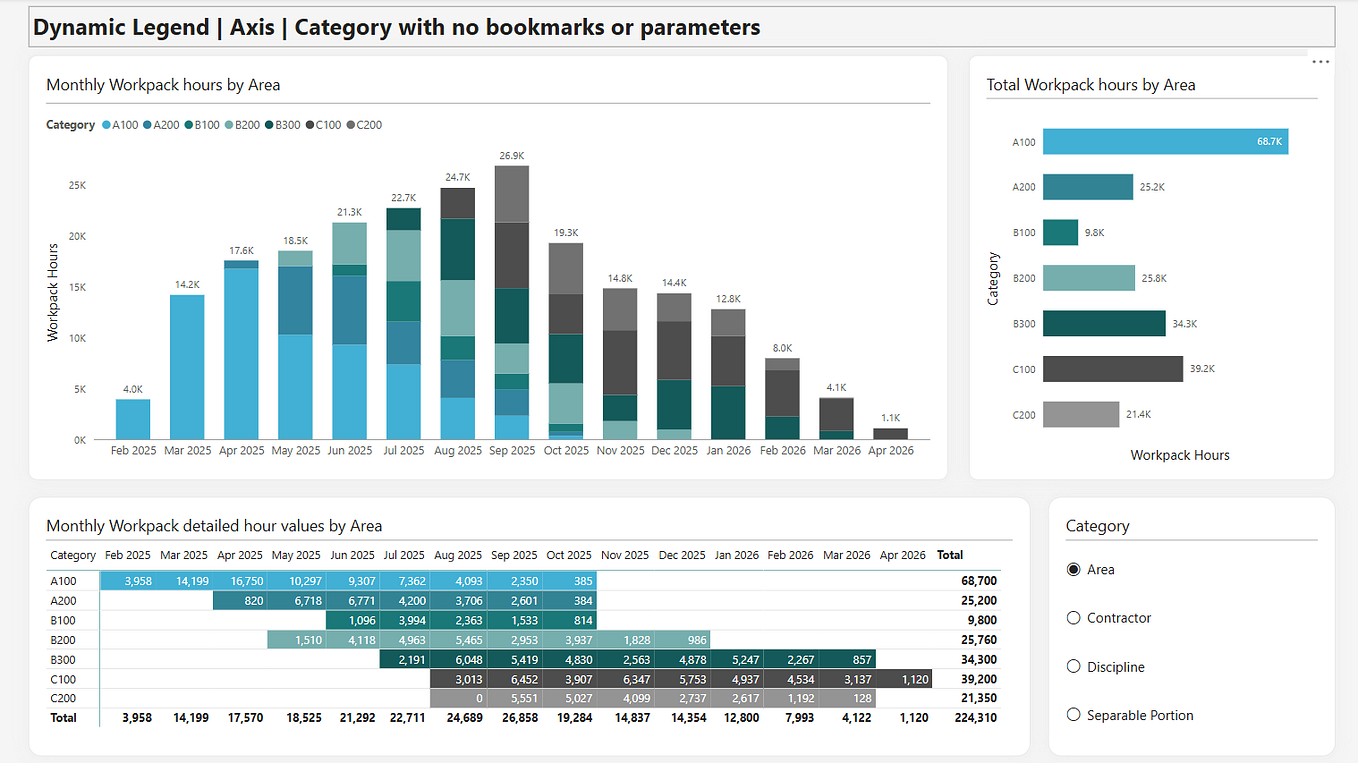
By importing API feeds from Bloomberg or the EIA into Power BI, you can build a dynamic dashboard that updates hourly. The matrix layout allows you to slice data by country, refinery type, or shipping route, giving you granular control over what drives price changes.
Actionable Takeaways for the Hobbyist
- Set up a price alert system – use financial APIs or spreadsheet add‑ins to trigger notifications when the Urals price deviates by more than 5% from the moving average.
- Compare benchmarks – chart Urals against Brent and WTI to gauge premium levels. A narrowing spread might signal a temporary surge in Russian supply.
- Factor in logistics – incorporate shipping costs, storage fees, and insurance into your per‑barrel cost estimate. A simple spreadsheet can calculate the total landed cost in real time.
- Stay informed on sanctions – subscribe to government press releases and monitor international trade news. Regulatory changes can abruptly alter pricing dynamics.
- Leverage Power BI for scenario analysis – model how a 10% rise in the ruble or a new export quota would affect your cost basis.
Implications for the Broader Market
While individual hobbyists may only need a quick snapshot, the cumulative effect of Russian oil pricing reverberates across global supply chains. A steady rise in the per‑barrel price can lead to higher gasoline and heating costs, while a sharp decline may free up capital for other investments. For those monitoring the market, the key is to stay flexible: treat oil price data as a moving target, not a fixed point.
In a world where energy markets shift faster than the weather, understanding how much Russian oil costs per barrel—coupled with the ability to visualize and analyze the data—provides a competitive edge for the informed hobbyist. By harnessing reliable sources and modern BI tools, you can translate raw numbers into actionable strategy.
Power BI Table & Matrix Visuals: Formatting & Insights | Ethan Guyant
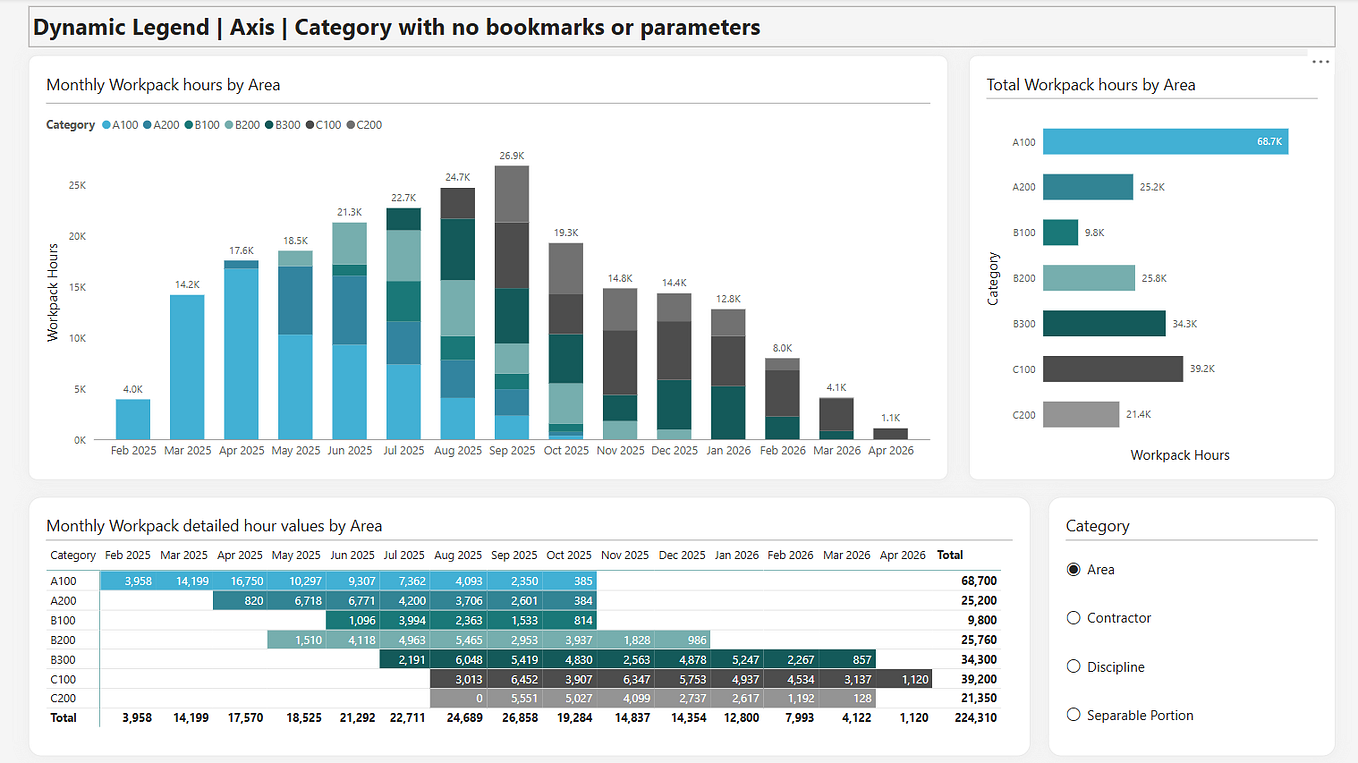
Power BI Table & Matrix Visuals: Formatting & Insights | Ethan Guyant ...