How Pie Value Is Derived: The Story Behind Women’s Pant Size Charts
When a shopper flips through a catalog, the sizing column often feels like a tiny pie—each slice representing a different country’s measurements. Understanding how that pie value is derived can turn a bewildering exchange into a smooth purchase. Below we walk through the conversion logic that turns a US 32 into a UK 32 or a EU 42, and show why the chart matters in real‑world choices.
Grab the Right Slice: The Anatomy of a Size Chart
Most retail sites, including apparel giants and niche boutiques, publish a US‑to‑International conversion table. The chart groups waist, inseam, and hip measurements by size labels such as 24, 26, 28, up to 36. Each line is a slice that carries three key pieces of data:
- US numeric size
- UK or International size (often the same number)
- EU numeric size (typically 2–4 numbers larger)
Because each slice must fit a specific body dimension, the chart is constructed from standard anthropometric research. Manufacturers take a large sample of female body measurements, calculate averages for each waist band, and then round to the nearest even number to keep the chart tidy.
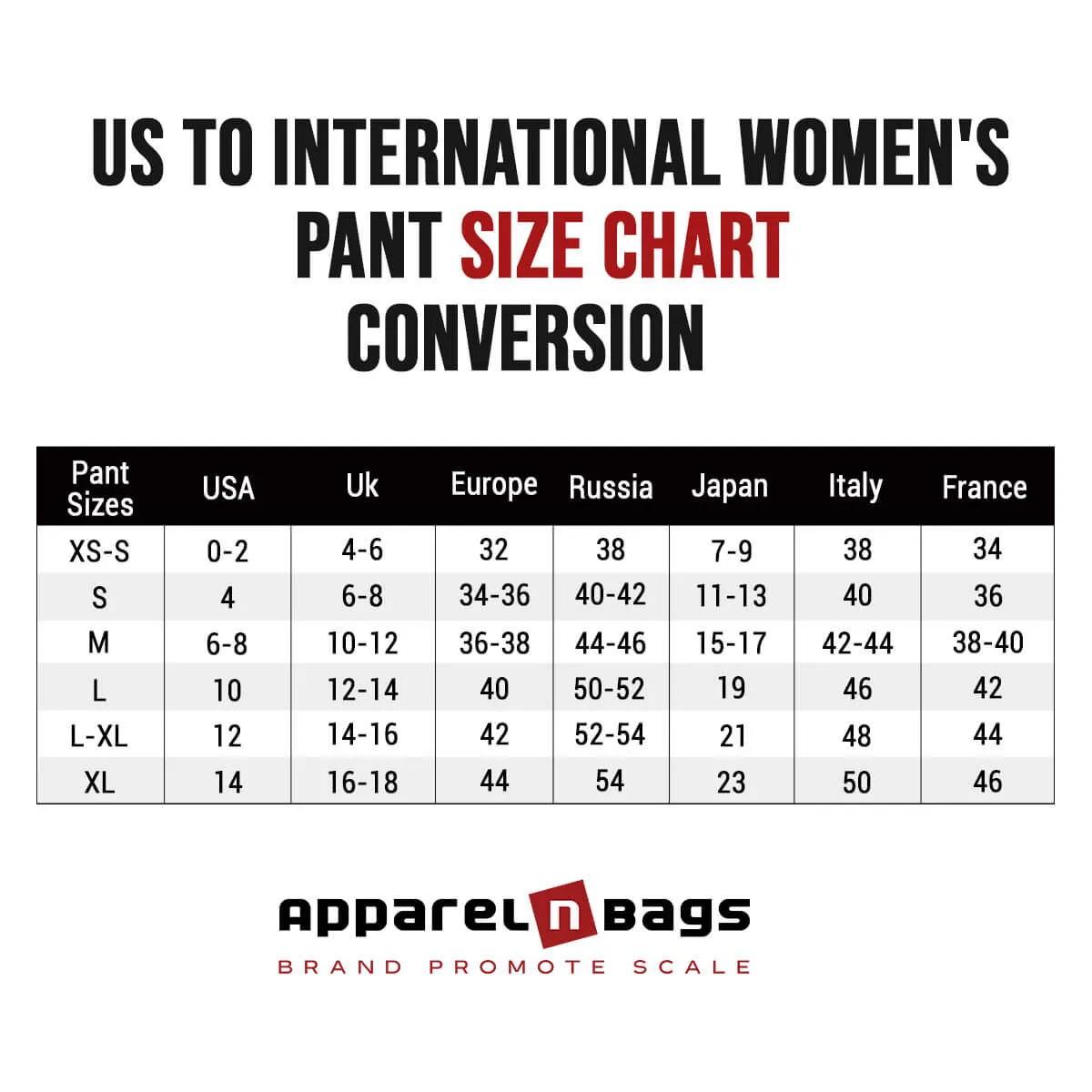
Slice by Slice: How the Conversion Values Are Calculated
The derivation follows a simple arithmetic rule. Take the US waist measurement in inches and add 12 to approximate the EU size. That is, a US 30 waist becomes roughly 42 EU. The UK size typically mirrors the US number because the same inch-to-hip ratio is used in both markets.
- Measure the waist. Use a flexible tape on the narrowest part of the abdomen.
- Convert to inches. Most charts already list waist inches, but if you have metric, convert centimeters to inches (divide by 2.54).
- Apply the offset. Add 12 to the US size for EU, or simply copy the US size for UK.
- Cross‑check inseam. Inseam is measured from the top of the inner thigh to the ankle. The chart shows inseam in inches for each size; compare it to your leg length to avoid a high or low cut.
Use Cases: From Online Shopping to Tailored Fit
In an online store, the conversion table lets you pick a size that matches your local measurement without guessing. For instance, a 26 US and a 36 EU can feel identical if the waist and inseam match. If you’re ordering from a retailer that only lists EU sizes, the chart reveals that a 30 US equals a 42 EU, saving you a costly return.
For tailors and custom designers, the chart is a baseline. By starting with a standard size and then adjusting the waist or hip measurements, they can fine‑tune a garment to a client's unique shape. The “pie value” in this context is the proportion of the garment’s cut that comes from the base size versus the adjustments.
Implications: Why Accuracy Matters Beyond the Numbers
A misinterpreted size chart can lead to a pile of returns, wasted shipping, and customer frustration. Brands that offer a clear, side‑by‑side comparison of US, UK, and EU sizes reduce that risk. Some retailers go further by including a visual diagram—like the one above—to show where each number applies on a real body.
When a customer reads that a “US 28 = EU 40” and sees the chart, they can immediately map that onto their own waist. The transparency of the conversion process builds trust, turning a potential purchase barrier into a quick decision.
Take Action: How to Apply the Chart in Your Next Purchase
1. Measure yourself. Use a tape measure and note waist and inseam in inches.
2. Locate your US size. Find the number that matches your waist.
3. Convert to your local market. Add 12 for EU or copy the number for UK.
4. Double‑check the inseam. Make sure the chart’s inseam fits your leg length preference.
5. Place the order. With the chart’s guidance, choose the size that aligns with your measurements and the desired fit.
By treating the sizing table like a pie—where each slice is a measured, derived value—you can navigate international shopping with confidence. The next time a retailer offers a conversion chart, glance at the image, measure your body, and slice the right size out of the puzzle.