How to Make Sticky Rice and Mango with Expert Precision
Mastering Khao Niao Mamuang requires an experienced hand. The line between perfectly tender, individual grains of glutinous rice and a clumpy, starchy mass is determined entirely by your technique in hydration and temperature management. For the seasoned home cook, this dessert offers a rare opportunity to showcase precision, where every degree of heat and every minute of soak time impacts the final bite. Here is a technically focused breakdown designed to elevate your execution beyond standard recipes.
The Foundation: Choosing and Conditioning the Rice
Not all rice behaves the same way. For this dish, you must specifically source long-grain glutinous rice, often labeled “Thai sweet rice” or “sticky rice.” Its high amylopectin starch content provides the signature chewy, cohesive texture without needing gluten. Your technique with this grain dictates the entire outcome.
- Soaking Strategy: An overnight soak is standard, but a hot water soak lasting exactly four to five hours produces a superior, consistent hydration. The warm water activates the starch granules gently, preventing the grainy core that can result from an insufficient cold soak while avoiding the risk of over-fermentation in a warm kitchen.
- Rinsing Discipline: Rinse the rice vigorously three to four times until the water runs nearly clear. This washes away loose surface starch that would otherwise create a gummy exterior and muddy the clarity of your coconut sauce.
Steaming versus Boiling: Why Rigor Pays Off
Absolutely avoid the temptation to boil sticky rice like jasmine rice. Steaming is the only viable path to the correct texture. The ideal rig is a conical bamboo steamer set over a high rolling boil. The steam gently cooks the grain without submerging it, allowing each kernel to stay distinct.
Line the steamer with a cheesecloth or a fine cotton muslin. Spread the hydrated rice in a thin, even layer—roughly 1.5 inches thick. Steam for twenty minutes, then carefully flip the entire block of rice over using the cloth as a sling. Steam for another ten to fifteen minutes. This reversal is an actionable tip that eliminates the dense, wet pocket that often forms at the bottom of the steamer.
The Doneness Test: The rice is ready when it is fully tender, slightly translucent, and the grains stick together but separate immediately when compressed between your fingers.
The Coconut Sauce: Mastering the Emulsion
The coconut sauce is a delicate fat emulsion that can break with the slightest thermal aggression. Use high-quality coconut cream with a high fat content—the thick, solid layer from the top of a refrigerated can of full-fat coconut milk is ideal. The watery milk below should be reserved for other uses or a final thin drizzle.
- Low and Slow Heat: Gently warm the coconut cream with a firm pinch of salt. Never let it reach a hard boil. A rolling boil immediately splits the fat from the liquid, leaving you with an oily, grainy sauce that will not coat the rice uniformly.
- The Sweetener: Palm sugar is the benchmark for its complex, butterscotch undertones. If substituting brown sugar, add a touch of dark muscovado to mimic the depth. Dissolve the sugar completely while the cream is warm.
- Infusion: Simmer the sauce with a knotted pandan leaf for the final five minutes. This adds an unmistakable floral note that bridges the richness of the coconut and the acidity of the mango.
Temperature Maintenance: The Critical Variable
The single most common failure in a home rendition of sticky rice and mango is serving temperature discord. The dish relies on a precise temperature trifecta: slightly warm rice, room-temperature sauce, and chilled mango. Maintaining these zones requires active effort.
After steaming, turn the rice onto a clean work surface to free it from excess condensation. Transfer it to a warm bamboo basket or a clay pot and cover it with a clean, damp cotton cloth. This traps steam gently without creating a soggy crust. If you are holding the rice for more than thirty minutes, a rice cooker set to the “keep warm” setting works, but check the bottom for drying.
The coconut sauce should be kept in a warm water bath until serving. As it cools, the fat molecules begin to solidify, robbing the sauce of its silky flow. A properly maintained sauce pours like heavy cream directly over the mound of rice, pooling at the base to coat every grain.
Selecting the Mango and Plating
In the domestic US market, the Ataulfo mango (sometimes marketed as honey or champagne mango) is consistently superior for this dish due to its buttery, fiberless flesh. Kent and Keitt mangoes are excellent during their respective peak seasons. The mango should yield slightly to gentle pressure and smell fragrant at the stem.
Slice the fruit into clean planks or classic hedgehog cubes. To plate, form a generous mound of the warm sticky rice. Fan the mango slices adjacent to the rice, not on top of it, to preserve the integrity of the grains. Pour the warm coconut sauce liberally over the rice. A final thin drizzle of reserved coconut milk and a crisp sprinkle of toasted sesame seeds or fried mung beans provides the textural contrast that signals a truly refined approach.
For the dedicated home cook, the pursuit of the perfect sticky rice and mango is an exercise in discipline. It is a dish where respecting the chemistry of emulsion, the physics of thermal transfer, and the biology of starch transforms humble grocery staples into a balanced, transcendent plate.
Pipe Heat Tracing Cables For Solar (CSP) | Temperature Maintenance
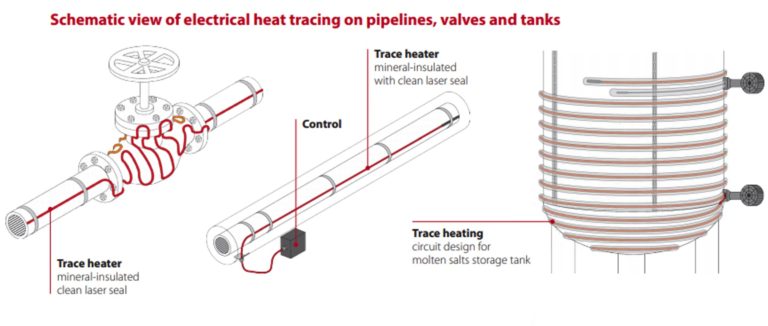
Pipe Heat Tracing Cables for Solar (CSP) | Temperature Maintenance ...