krmg weather radar live tulsa area: How to tune in and use it today
Residents of Tulsa and surrounding communities can now watch real‑time storm activity thanks to the “krmg weather radar live tulsa area” feed, which streams high‑resolution reflectivity data straight from the KRMG transmitter. The service is free, accessible on multiple devices, and especially useful during the spring thunderstorm season when rapid changes can catch drivers off guard.
What the KRMG Radar Shows and Why It Matters
KRMG’s 500‑kilometer radar sweep covers the entire Oklahoma panhandle, the Dallas‑Fort Worth corridor, and the Arkansas River Valley. By translating returned radio waves into color‑coded intensity maps, the radar highlights rain, hail, and wind patterns that are invisible to the naked eye. For a beginner, the key benefit is a visual cue: deep green indicates light rain, while bright reds and magentas flag severe storms that may produce flash floods or tornadoes.
Getting the Live Feed—Online and Mobile Options
Three main pathways let you monitor the radar without a dedicated broadcast: a web portal hosted by KRMG, a suite of third‑party weather apps, and a simple Google search that redirects to the live image. The latter is often the quickest start‑up for a curious newcomer.

Web portal
- Open krmg.com/radar in any browser.
- The page refreshes every minute, showing a moving “now‑cast” loop.
- Zoom tools let you focus on specific neighborhoods like Midtown or the Bixby corridor.
Mobile apps
- Apps such as WeatherBug, MyRadar, and Storm Radar embed the KRMG feed as a selectable layer.
- Push notifications can be set to trigger when reflectivity exceeds a user‑defined threshold.
- Most apps offer a free tier; premium versions add radar animations and historical overlays.
Practical Use Cases for Everyday Life
Seeing the radar in real time isn’t just a novelty—it can shape daily decisions:
- Commuting safety: Before heading downtown, glance at the radar to avoid a sudden downburst that could slow traffic on I‑44.
- Outdoor events: Organizers of Tulsa County Fair can time fireworks or concerts around low‑intensity periods, reducing the risk of rain‑related cancellations.
- Agriculture: Local farmers monitor the reflectivity trends to decide whether to protect crops from hail or to schedule irrigation after a dry spell.
- Recreational planning: Hikers and kayakers use the radar to pick routes that stay clear of flash‑flood zones along the Arkansas River.
Choosing the Right Platform—Benefits and Cautions
Each access method has strengths and pitfalls. The KRMG website gives the purest data stream, but a slow connection can cause lag. Mobile apps often compress imagery, which speeds up loading but may miss subtle features like weak bow echoes. Third‑party sites sometimes aggregate multiple radars, offering broader context at the cost of a few minutes’ delay.
For critical decisions—especially during severe weather warnings—verify the live feed against the National Weather Service’s official alerts. Remember that radar only shows precipitation aloft; ground‑level conditions such as wind gusts or temperature can differ.
Staying Informed Without Overreacting
Interpreting the radar safely involves a simple three‑step habit:
- Observe: Note the color intensity and movement direction.
- Cross‑check: Look for accompanying NOAA warnings or local emergency notices.
- Act: If the radar shows rapid intensification and a warning is issued, adjust travel plans or seek shelter.
By treating the “krmg weather radar live tulsa area” as a supplemental tool rather than a sole authority, you gain a clearer picture of the atmosphere while keeping anxiety in check.
What’s Next for Tulsa Radar Users
KRMG is piloting an upgraded dual‑polarization transmitter that promises even finer discrimination between rain and hail. Early testers report that the new feed will reduce false‑alarm zones around the city’s eastern suburbs. While rollout dates remain tentative, the current live radar already offers a solid foundation for anyone eager to stay a step ahead of Oklahoma’s ever‑dynamic weather.
Logo Design Importance: Why It Matters For Your Brand
logo design google pictorial logos type
Google Logo PNG

design
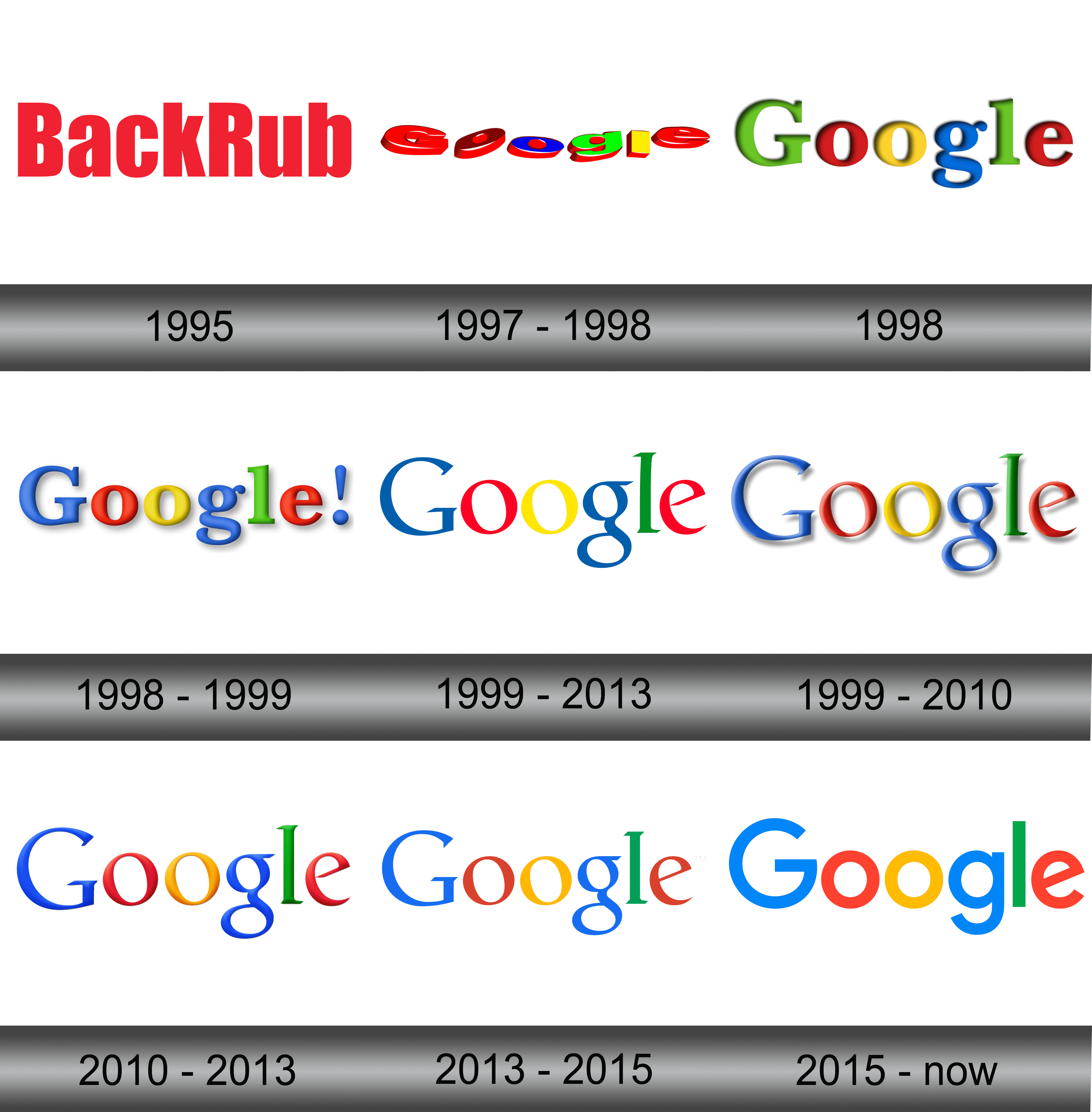
Google Logo And Symbol, Meaning, History, Sign.
logolook
Google's New Logo
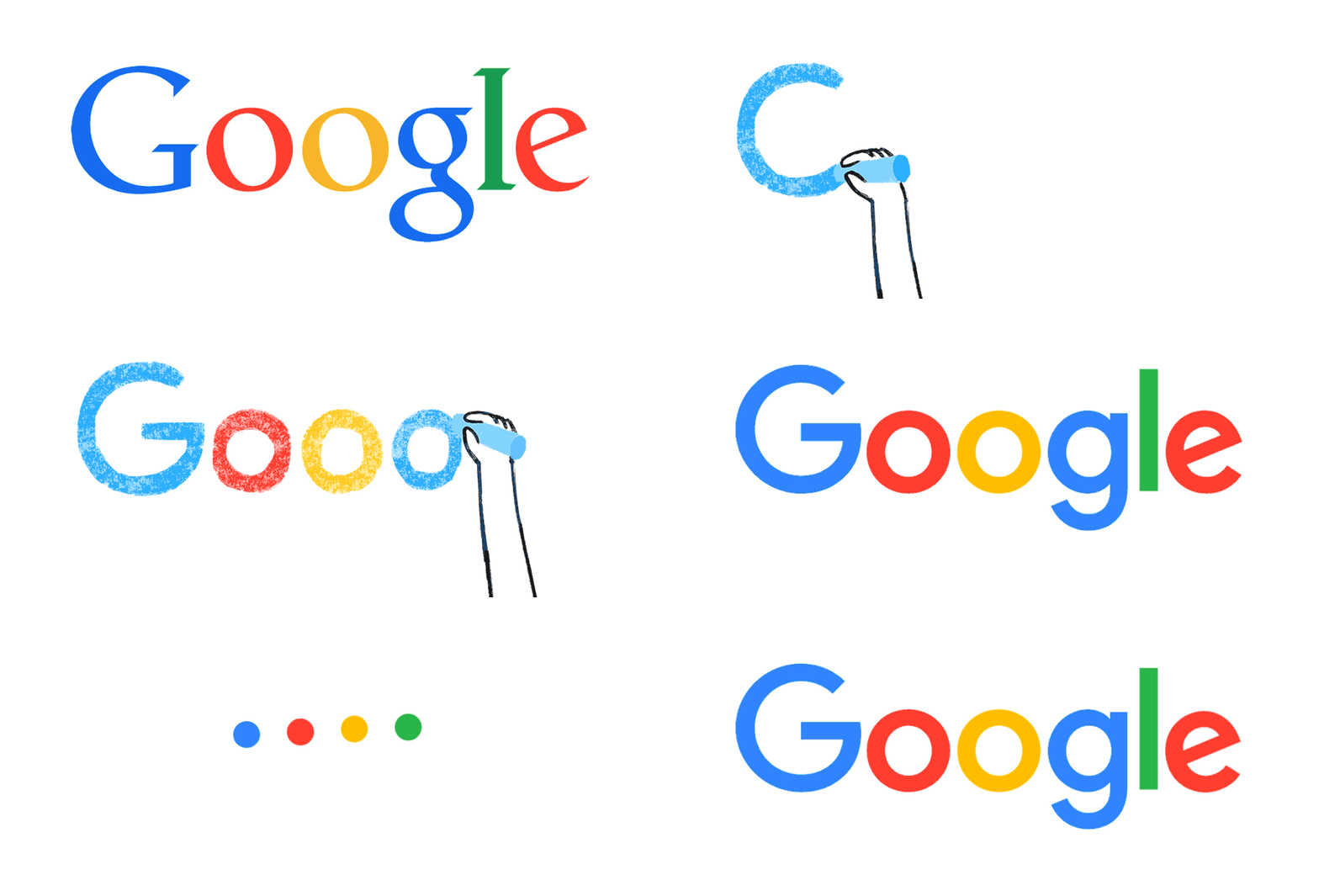
google logo new googles logos 2015 gif