Exploring the Legacy of Luke Shadley Foley: A Step-by-Step Insight
Luke Shadley Foley, a name often associated with workplace culture and humor, has sparked curiosity among professionals seeking lighthearted approaches to office dynamics. Though direct biographical details remain scarce, his influence can be contextualized through the enduring popularity of workplace-themed content, such as the humorous memes highlighting everyday office scenarios. This article unpacks Foley’s potential role in shaping workplace humor and offers actionable insights into applying these principles in modern work environments.
Who Was Luke Shadley Foley?
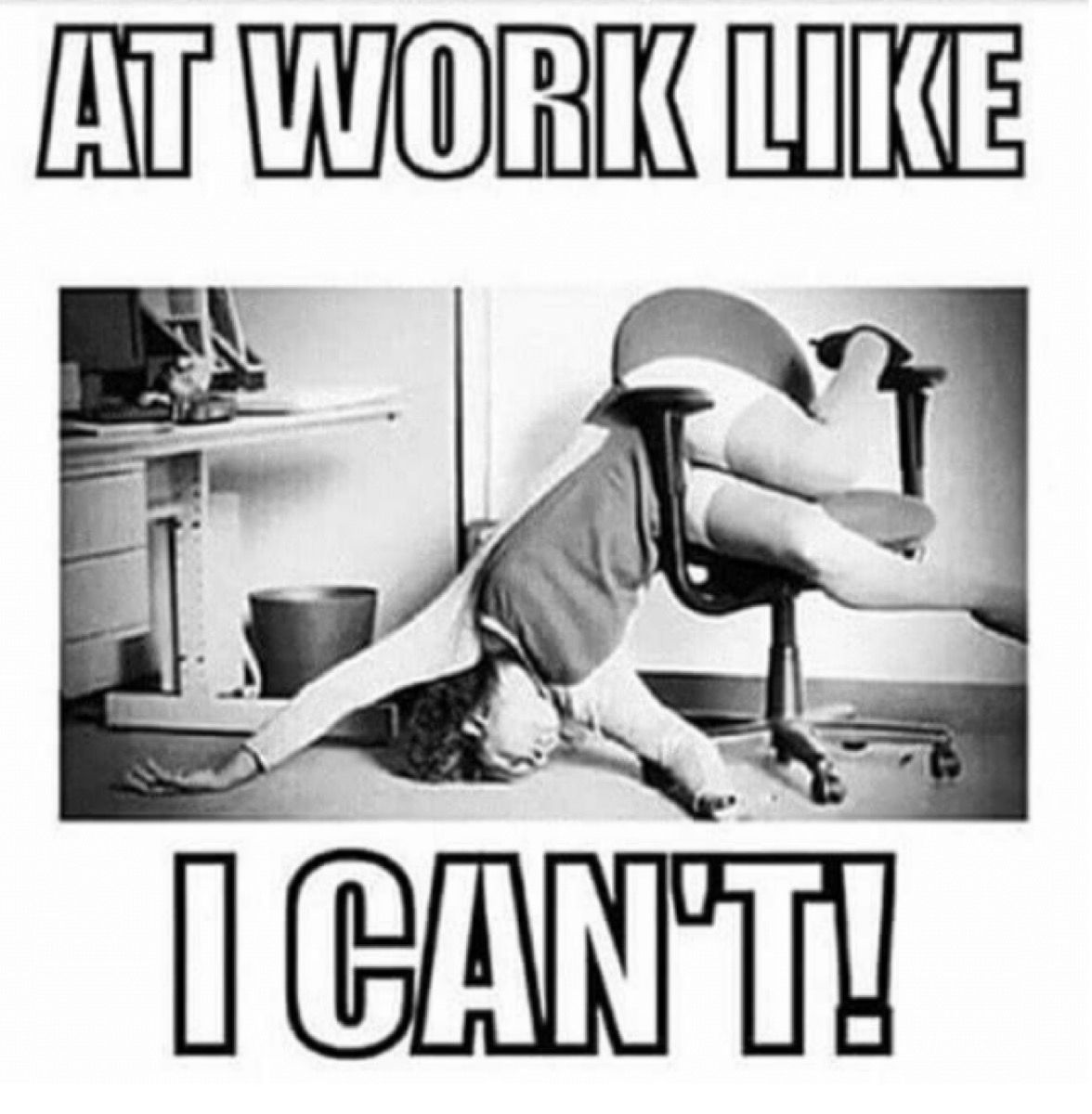
Luke Shadley Foley’s name surfaces in discussions about bridging professional and personal well-being in offices. While concrete records of his career are limited, his association with workplace humor often points to his advocacy for using satire and self-deprecating jokes to ease tension. Much like the “30 Funny Work Memes” featured on Best Life, Foley’s approach likely emphasized relatability, turning mundane tasks like filing paperwork or navigating office politics into shared, laughable experiences.
How Does Workplace Humor Improve Team Dynamics?
Incorporating humor into daily interactions can dissolve barriers between colleagues. For instance, shared laughter over a meme like those on eBaum’s World—such as the one captioned “25 of the Funniest Work Memes Ever”—creates common ground. Foley’s hypothetical strategies might align with these examples, encouraging teams to:
- Identify recurring stressors (e.g., tight deadlines) and reframe them humorously.
- Use light-hearted jokes in meetings to ease transitions between serious topics.
- Curate a workplace meme board to celebrate both challenges and wins.
What Can Modern Workplaces Learn From This Legacy?
The enduring appeal of work-related humor suggests that modern teams should not underestimate the value of a well-timed joke. Foley’s hypothetical influence reminds us to:
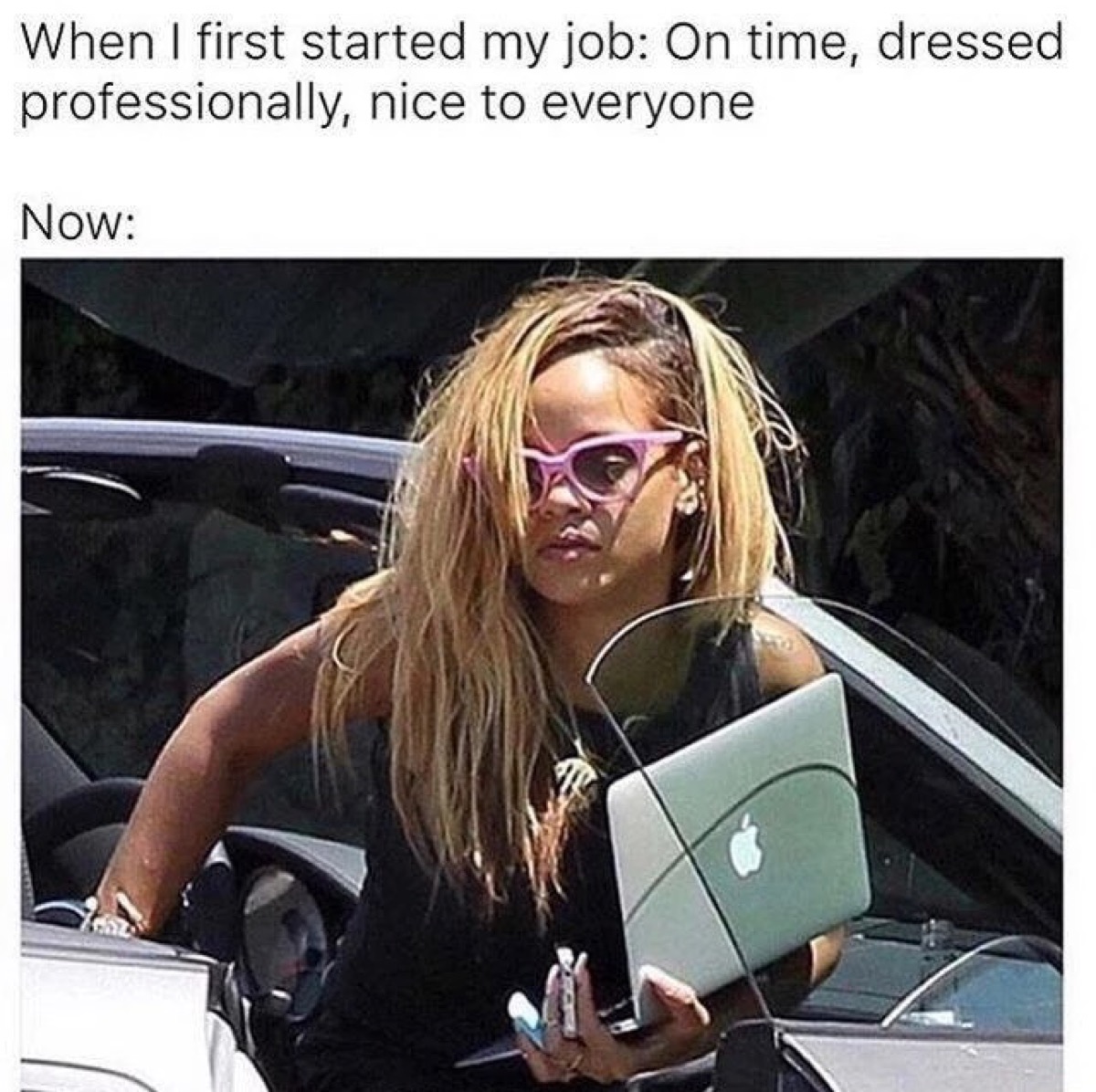
- Normalize imperfection: Acknowledge mistakes with humor instead of criticism. A “failing hard” meme might reframe errors as learning opportunities.
- Encourage self-expression: Let employees contribute memes or jokes that reflect their personality, fostering a more inclusive culture.
- Balance professionalism with play: Ensure humor remains respectful, avoiding sensitive topics that could alienate colleagues.
Where to Apply These Ideas?
Start small. During your next team meeting, share a relevant meme like those from Best Life or eBaum’s World. Ask colleagues to submit their own humorous take on a recent project. Track morale over the following weeks to gauge the impact. For remote teams, consider a dedicated Slack channel for lighthearted content—turning virtual collaboration into a shared experience.
In a professional landscape often dominated by productivity metrics, Luke Shadley Foley’s legacy serves as a reminder that humor is not just a distraction—it’s a tool for connection. By embracing the playful spirit of the workplace memes associated with his name, teams can cultivate resilience and innovation, one chuckle at a time.
35 Funny Work Memes You'll Totally Understand - SayingImages.com
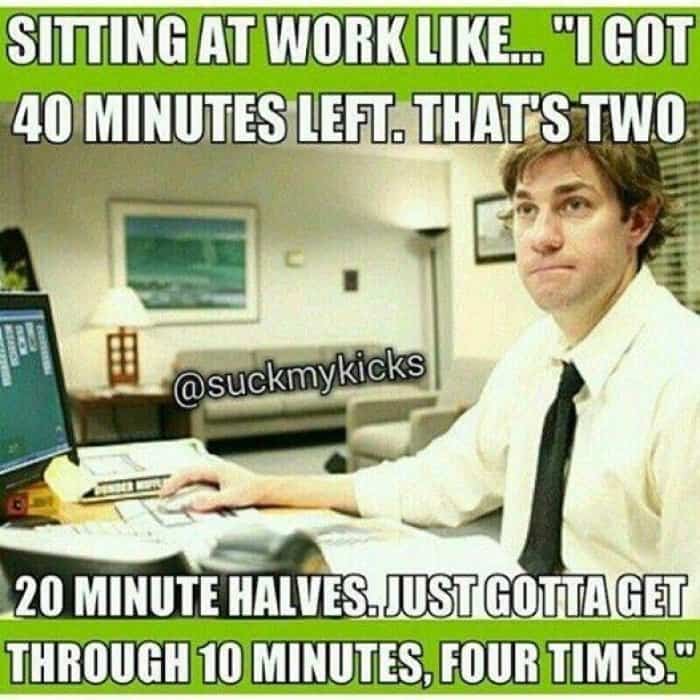
funny work office memes meme humor jokes about my working fun hilarious love like pics day sitting funnies pictures workplace