Where Is Michael Now? A Fresh Look at Oregon’s Place on the U.S. Map
When people ask “where is Michael now,” their minds often wander to a personal story, a celebrity’s latest headline, or a missing‑person case. But sometimes the question is simply a reminder that we need to know where things are in the first place. For those who are still hunting for Oregon on a map, this article fills that gap with a clear, practical guide.
The Search That Leads to Oregon
Oregon is one of the 50 states that can easily slip off the radar when the U.S. map is spread out. Its distinctive shape—almost a reverse “J”—is tucked into the far left corner of the country, bordered by Washington, Idaho, Nevada, and California. Many people overlook it because the state is not as densely populated as the Midwest or as heavily promoted as New York or Florida.
However, Oregon’s geographic position is crucial for travelers, businesses, and students alike. Whether you’re planning a road trip, conducting market research, or studying regional climate patterns, knowing exactly where Oregon sits on the map is the first step toward making informed decisions.
Mapping Oregon: A Quick Visual Guide
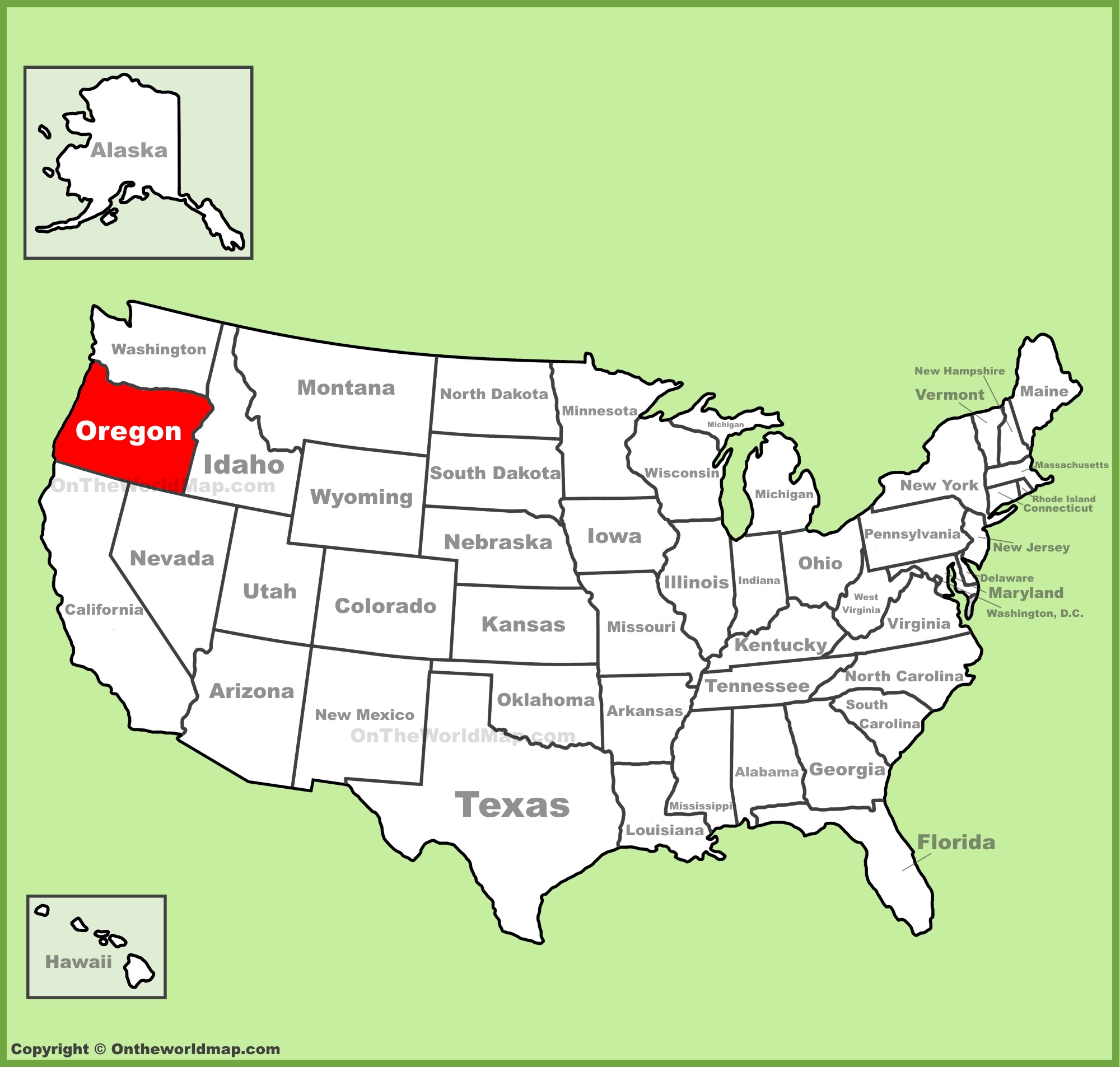
The image above pinpoints Oregon’s location, making it easier to remember. Notice the state’s roughly triangular shape: a narrow northern tip that reaches into the Pacific, a broader midsection, and a southeastern corner that meets Idaho’s rugged mountains.
To internalize Oregon’s position, try the following mental exercise: imagine the U.S. as a giant chessboard. Oregon would occupy the top-left corner of the board, slightly larger than a single square but still clearly distinguishable from the neighboring pieces.
Beyond the Border: What Makes Oregon Unique
- Geographic Diversity: From the Cascades to the coast, Oregon offers a spectrum of landscapes—forests, rivers, deserts, and beaches—all within a single state.
- Economic Highlights: The state hosts thriving tech hubs in Portland, robust agricultural sectors in the Willamette Valley, and a growing renewable energy industry.
- Climate Contrast: While the west coast enjoys mild, wet winters, eastern Oregon experiences arid summers and chilly winters, creating distinct microclimates that affect local industries and lifestyles.
These distinctions matter when you’re plotting a business expansion or studying environmental policies, because Oregon is not just another square on a map—it’s a mosaic of opportunities.
Practical Steps to Find Oregon on Any Map
- Identify the West Coast: Locate the long stretch of coastline that runs from Washington to California. Oregon sits right between these two states.
- Check for the Cascades: The mountain range that begins in British Columbia and ends in Northern California forms a natural divider. Oregon lies south of the Cascades’ main spine.
- Spot the Pacific Shoreline: Oregon’s coastline is shorter than California’s but still prominent. The state’s capital, Salem, is inland, whereas Portland, the largest city, sits near the coast.
- Use a Landmark Reference: The Oregon Trail’s historic route starts in Independence, Missouri, and ends near the Oregon Trail’s terminus in Oregon City—a helpful anchor for map readers.
With these cues, you can quickly locate Oregon even on a simplified or stylized map that lacks labels.
Wrap‑Up: From Mystery to Clarity
“Where is Michael now” can be an elusive query, but when you narrow it down to a geographic question, the answer becomes tangible. Oregon, often overlooked, commands a strategic position on the western U.S. map, offering a wealth of natural, economic, and cultural assets.
By remembering its unique shape, borders, and landmarks, you can confidently point to Oregon whenever the conversation turns to U.S. geography. Whether you’re guiding a tourist, advising a business, or simply satisfying curiosity, the knowledge that Oregon sits in the top-left corner of the nation will serve you well.
So next time someone asks you, “where is Michael now?” you might reply, “He’s in Oregon—right where the West meets the Pacific, a state that’s as diverse as it is dynamic.”